Property Due Diligence in Portugal: The Legal Checks That Protect Buyers
ICON Property

Foreign demand for Algarve homes keeps climbing, and with it comes a quiet shift in how careful buyers approach a purchase. More people now treat the paperwork as seriously as the sea view. That is exactly where property due diligence in Portugal becomes the single most valuable step you can take. Done properly, it confirms that the person selling truly owns the home, that the building is legal, and that no hidden debts travel with the keys. Skipped or rushed, it can turn a dream villa into a long and costly problem. The good news is that the process is well established, methodical, and entirely manageable with the right guidance.
What Property Due Diligence in Portugal Really Means
Due diligence is simply the set of legal and technical checks that confirm a property is exactly what it claims to be before any money changes hands. In Portugal these checks follow a well trodden path, and every document has a clear, official source. The golden rule is timing. The checks belong before you pay a deposit, not after. Once you sign a promissory contract and hand over a deposit, your position weakens and your options narrow. A calm review at the start protects both your money and your peace of mind, and it costs a fraction of what a late discovery can.
Confirm Ownership: Land Registry and Tax Records
Two documents form the backbone of any purchase, and they must agree with each other.
Certidao Permanente do Registo Predial (Land Registry certificate)
This certificate, also known as the Certidao de Teor, comes from the Land Registry, the Conservatoria do Registo Predial. It shows who legally owns the property and, just as importantly, whether anything is registered against it: a mortgage, a lien, a seizure, a court order, a right of way, or a usufruct. If a bank loan sits on the property, it must be cleared at or before the deed so that you receive a clean title. Reading this certificate line by line is the surest way to know precisely what you are buying and who has the right to sell it.
Caderneta Predial (tax office property record)
The Caderneta Predial is the property's record at the tax office, the Autoridade Tributaria. It sets out the fiscal description of the home, its rateable value (Valor Patrimonial Tributario), the location, the boundaries, and the registered owner. Your lawyer compares the Caderneta against the Land Registry certificate. The two should describe the same property in the same terms. Any mismatch in area, boundaries, or article numbers is a signal to pause and investigate before you go further.
Legality: The Use Licence and Matching the Approved Plans
A beautiful home is only a safe purchase if it is legal. The Licenca de Utilizacao, the use or habitation licence, is issued by the local town hall, the Camara Municipal, and confirms the property may be lived in for its stated purpose. Some older homes predate the licensing system, and there are lawful ways to handle that, but the position still needs checking rather than assuming.
Just as important, the building on the ground must match the plans the town hall approved. An extension, a converted garage, an extra floor, or a pool added without permission can all create liabilities that pass to the new owner. Confirming that the physical property matches the official record is a core part of any purchase, and it is easy to overlook when you are charmed by a fresh renovation.
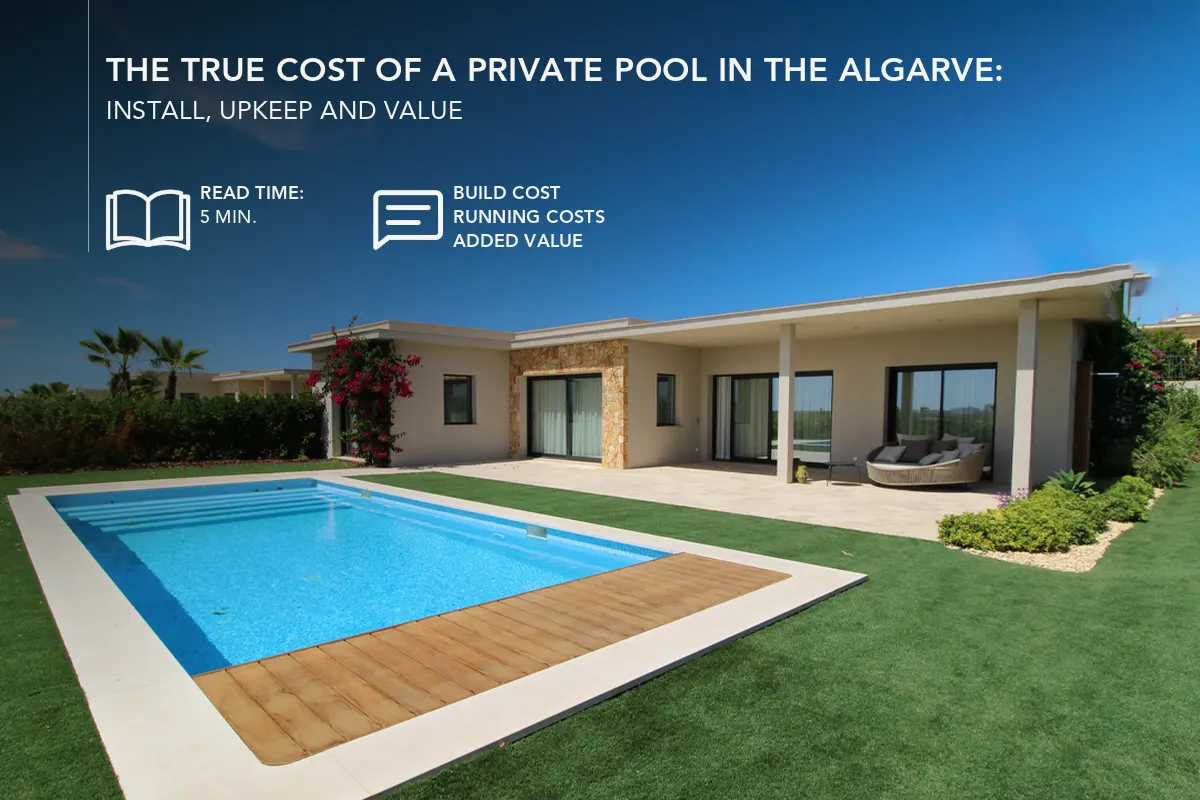
Pools deserve a specific mention, because they are among the most commonly unlicensed additions we see. A pool is building work and requires municipal authorisation, and it should appear on the property's records. Ask directly whether it was licensed, and treat a vague answer as a finding rather than a formality.
Certificates Every Buyer Should See
Beyond ownership and legality, a few certificates round out the picture.
The energy certificate (Certificado Energetico) is legally required to sell or let a home in Portugal. It rates efficiency on a clear scale and must be valid at the deed. Beyond ticking the legal box, it hints at what heating, cooling, and insulation will cost you to run.
The Ficha Tecnica de Habitacao, the technical housing file, applies to homes built or substantially rebuilt from 2004 onward. It describes the main construction features and the professionals involved in the build. It is a genuinely useful record of what sits behind the walls, and its absence on a newer home is worth a question.
Looking for a home with nothing to hide? Browse ICON Property's latest Algarve listings and let our team run the checks alongside you.
Apartments and Condominiums: Look for Hidden Debts
If you are buying an apartment, or any home inside a shared building, the condominium matters. Ask for a written declaration from the condominium administrator confirming that the seller's charges are fully paid, and stating whether any major works have been voted on or are pending. Unpaid condominium fees and approved special assessments can follow the property to its new owner. A short, dated letter from the administrator is a small effort that removes an unpleasant surprise later.
Land, Boundaries and the Right to Build
For plots, rustic land, and country properties, the checks go a step further. Described areas and fenced reality do not always agree, and on rural land that gap is common, so confirm on the ground what you are actually buying.
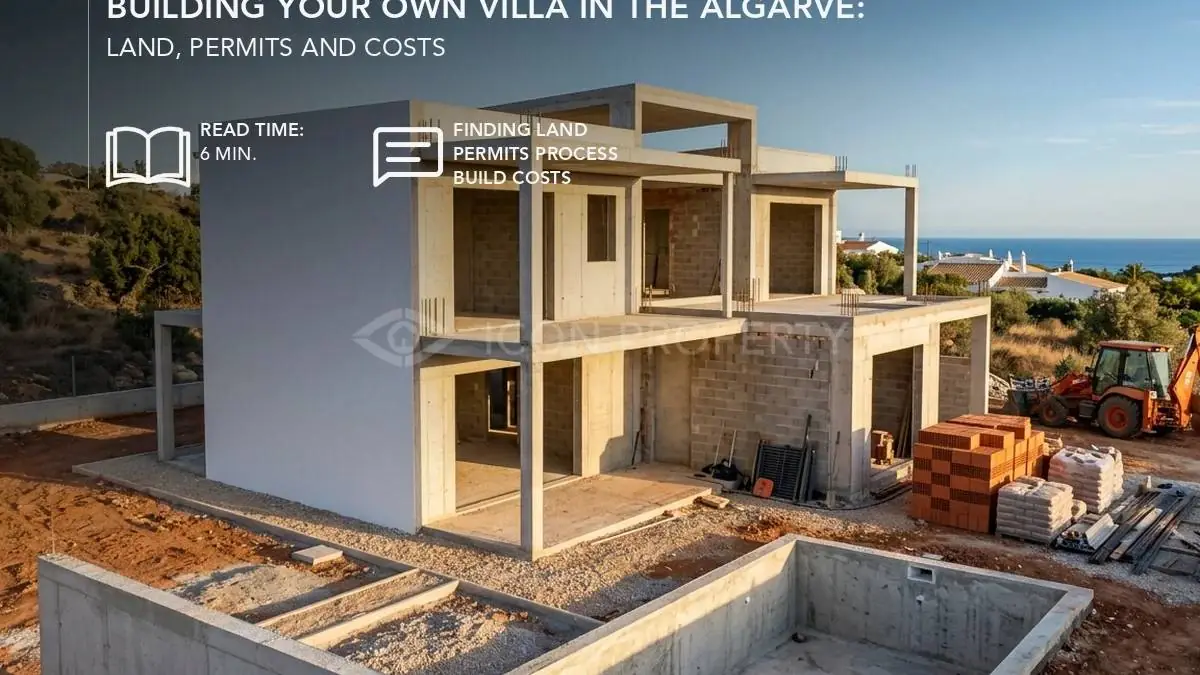
Buildability and zoning matter just as much. Whether you may build, extend, or restore depends on the municipal master plan, the Plano Diretor Municipal, or PDM. Land classified as agricultural or protected may not permit the villa you have pictured. If your plan depends on future construction, verify the zoning before you commit, never after.
Water rights on rural property
There is one further check that catches out buyers of country homes, and it has become more important, not less. If the property draws its water from a borehole rather than the mains, ask to see the abstraction licence, and confirm it is registered and current. An unlicensed borehole is a liability in the same way an unlicensed extension is.
The regulatory position has moved twice in recent years and is currently favourable. In May 2026 the APA lifted its freeze on licensing new groundwater abstractions across the Algarve river basins, after water tables recovered through the 2025/26 hydrological year. Two areas stay excluded: the Campina de Faro to Vale do Lobo subsystem, and the coastal critical abstraction area maintained against saltwater intrusion. The APA's own note of caution is that the recovery is "not homogeneous or structural", so if your plans depend on drilling a new borehole rather than inheriting a licensed one, confirm the position for that specific location before you commit.
This is where preparation aimed at overseas purchasers pays off, and our practical guidance for international buyers in the Algarve walks through the regional details that catch newcomers out.
Contracts and the Deed: Where the Checks Come Together
Portuguese purchases usually move in two clear steps.
The Contrato de Promessa de Compra e Venda (CPCV), the promissory contract, is the binding promise to buy and to sell. It fixes the price, the deposit, the deadlines, and the penalties if either side walks away. Because it binds you, every due diligence check should be complete, or clearly protected by written conditions, before you sign it and pay.
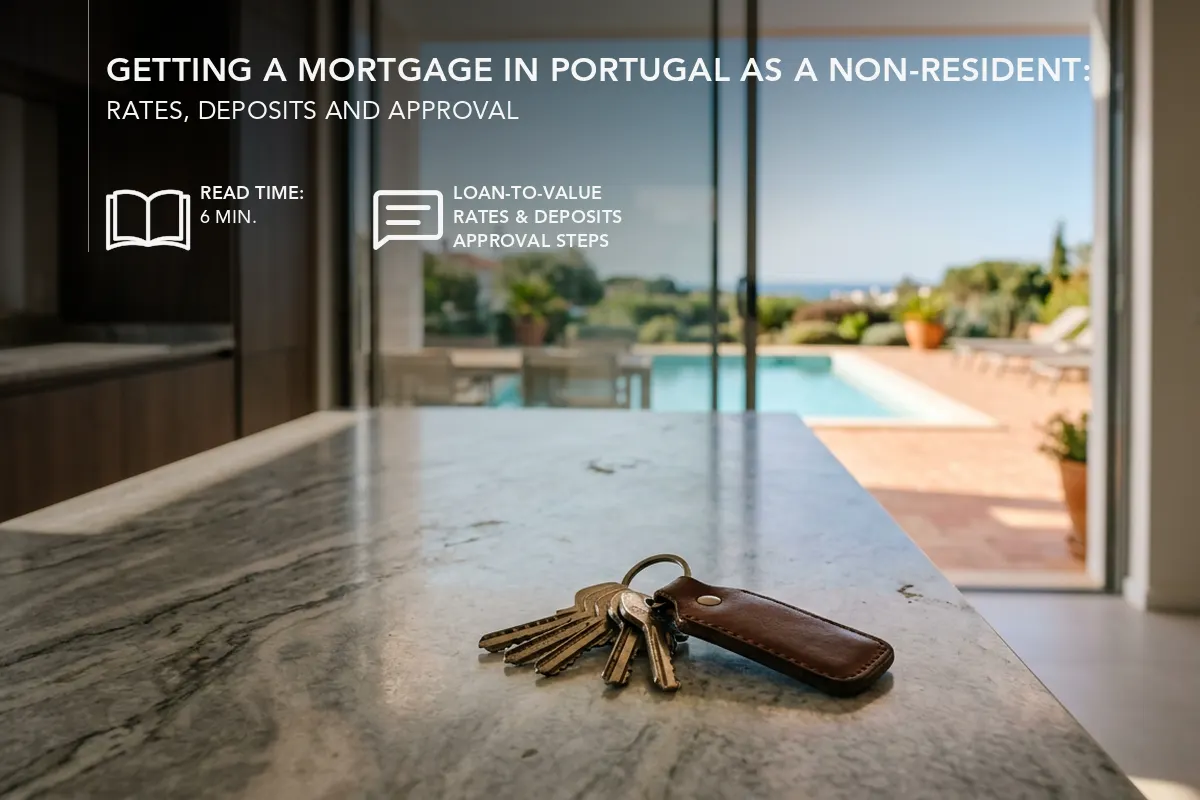
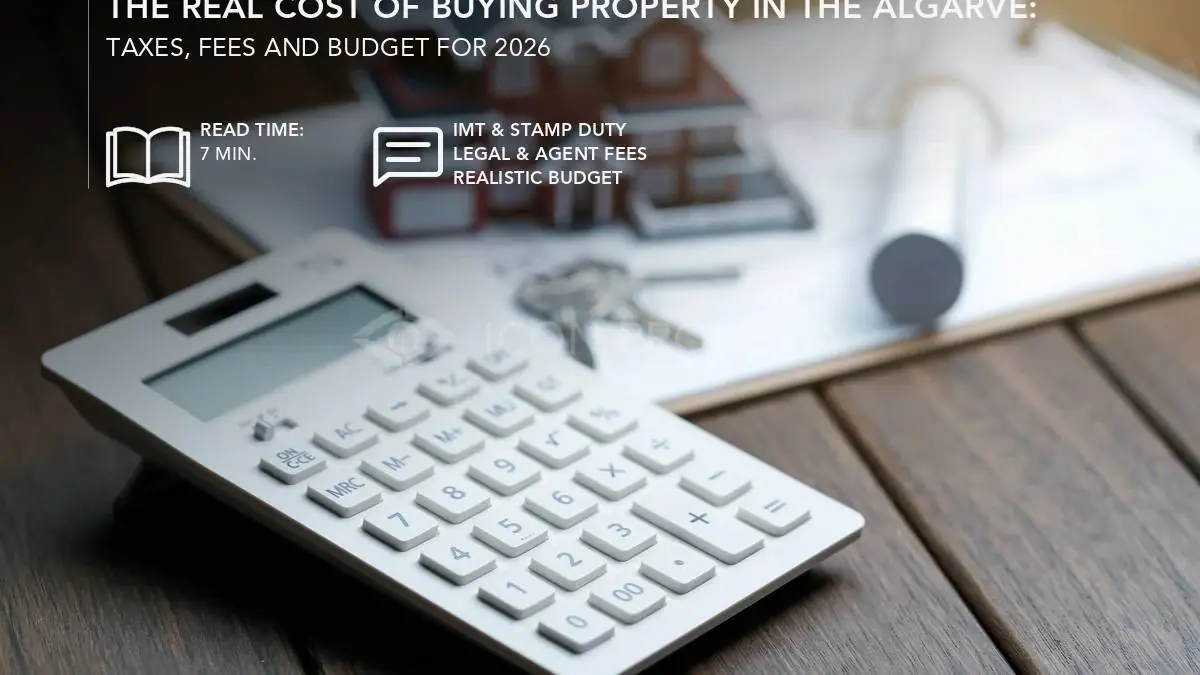
The Escritura Publica de Compra e Venda, the public deed, is the final transfer, signed before a notary or lawyer. At that moment ownership passes and the balance is paid, and the registration that follows secures your name at the Land Registry. Between these two steps sit the taxes and fees that shape your real budget, and for buyers who are not tax-resident in Portugal those have changed in 2026, so it is worth reading our guide to the true cost of buying in the Algarve so that deed day holds no surprises.
Why an Independent Lawyer Matters
One theme runs through all of this: use your own lawyer, not the seller's and not the agent's. An independent lawyer (advogado) works only for you. They order the searches, read the certificates, check the licence, confirm the plans, review the contract, and flag anything unusual before you are committed to it. Most will also help with the early admin, including setting up your Portuguese tax number, the NIF, which you need before you can transact at all. The modest cost of independent advice is one of the best values in the whole purchase.
Conclusion: Prepare Early, Buy with Confidence
The Algarve market moves quickly, and the best properties rarely wait long. That is precisely why the calm, thorough path serves you so well. It is not there to slow the purchase down. It is there to make sure the home you fall for is genuinely yours to enjoy, free of debts, fully legal, and correctly registered in your name. Buyers who line up their checks and their lawyer early are the ones who can move fastest and with the most confidence when the right property finally appears.
Related properties: explore vetted homes across Guia, Vilamoura, Loule, and the wider Algarve, each already reviewed by our team for clean title and clear paperwork.
Contact ICON Property's team for a personalized viewing tour.
Frequently asked questions
Before you pay any deposit. The ideal moment is after your offer is accepted and before you sign the promissory contract, so that the findings can shape the terms and protect your money.
You can gather documents, but an independent Portuguese lawyer should review them. They know how to read the Land Registry, spot a licensing gap, and protect you inside the contract.
This is common with older homes and extensions. It is often fixable, but it must be found early. Your lawyer can require the seller to regularise the work before the deed.
The same checks as any home, plus two more: that the described boundaries match what is fenced on the ground, and that any borehole supplying water holds a current abstraction licence. Confirm zoning through the PDM if you plan to build.
Yes. A Portuguese tax number is required to sign contracts and complete the purchase, and it is one of the first steps in any transaction.
For a straightforward home, a few weeks is common. Rustic land, inheritances, or licensing questions can add time, which is one more reason to start early.